

This is Article 3 of the Female Founder Economy series.
In this series, I define and document the Female Founder Economy: the goals, priorities, revenue models, and growth patterns of entrepreneurial women who are building their companies primarily online. Topics explored across the series include, but are not limited to, visibility, leadership, team and scale, revenue and economic impact, emotional and mental well-being, relationship capital, and AI.
Founder Optionality: Why Women Are Designing Businesses That Can Bend Without Breaking
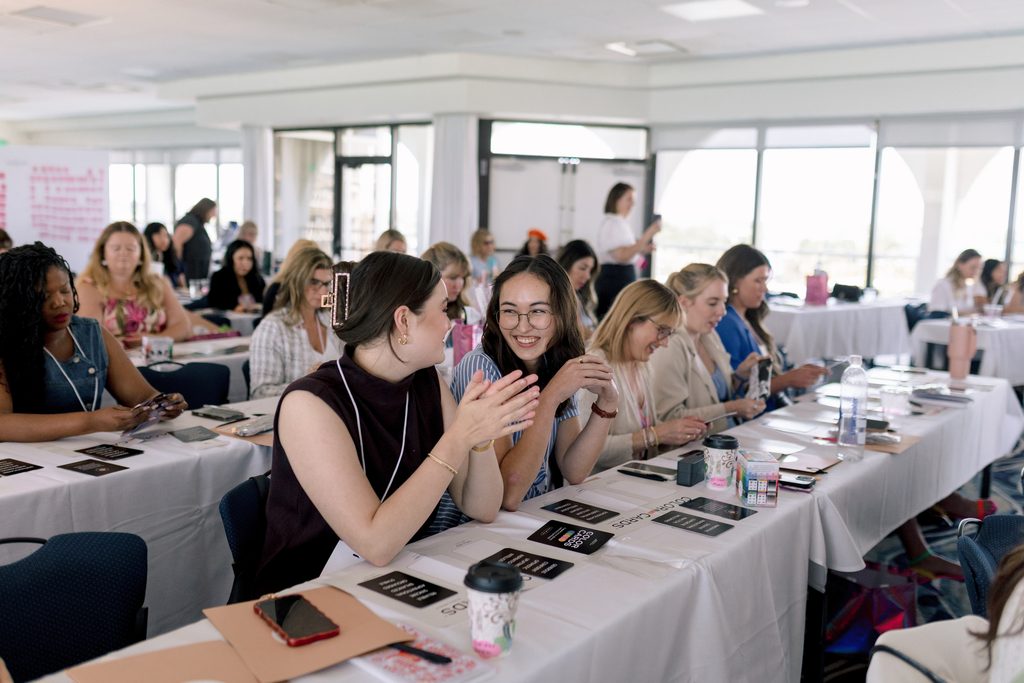
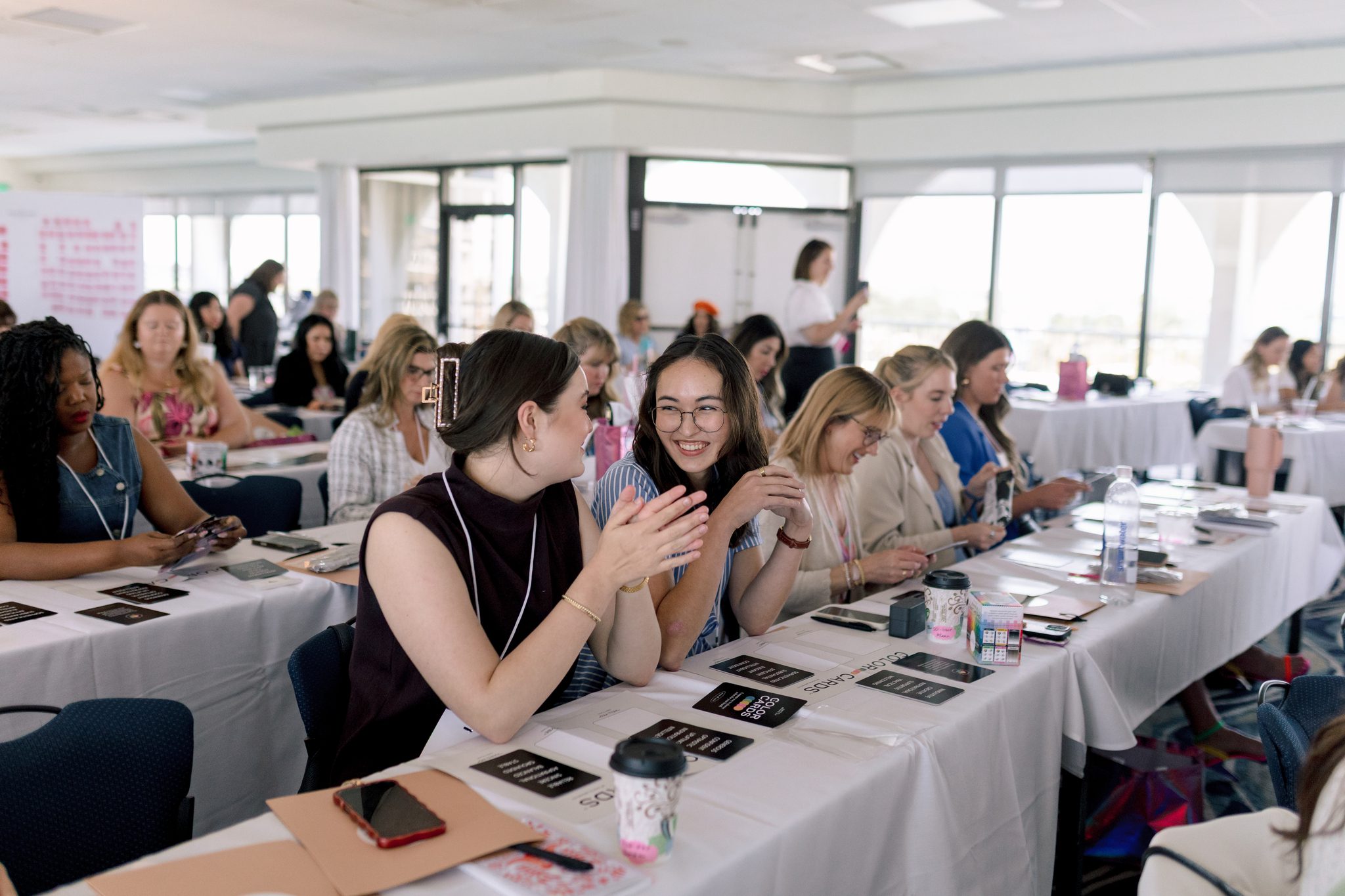
There are women in my community who will tell you, without hesitation, that their business works for them. Not just that revenue is up. That the whole structure — the offers, the calendar, the team — fits their actual life.
One of them runs an agency. Her only job is marketing, speaking and podcasting and sales. Every discovery call is scheduled before she picks up her kids early afternoon to take them to sports practice. All client delivery is handled by her team. She makes triple her salary as a former teacher and her revenue continues to grow every year without the hours of work increasing. Not despite the structure. Because of it.
Another is a solopreneur consultant. VIP days, in-person sessions, speaking engagements. She could add a recurring coaching program. She could launch a membership. She has deliberately chosen not to, because weekly calls don’t fit the travel schedule she designed her business around. Both choices were intentional. Both have made her more profitable.
What these two women have in common isn’t luck. It isn’t a convenient life circumstance. It is a specific and deliberate way of building a company.
Most of the entrepreneurship conversation defaults to flexibility. We treat it like the goal. I want to push back on that, because flexibility and optionality are not the same thing, and conflating them is an expensive mistake.
Flexibility is a crisis response. It is the ability to adapt when something outside your control forces you to choose between your business and your priorities. A market shift. A pandemic. An unexpected family situation. A change in buyer behavior you didn’t see coming.
Flexibility is what keeps a business alive when those things happen. It is necessary. It is also reactive by definition. You are responding to external forces, not choosing.
Optionality, on the other hand, is what you build so that as the founder, you always have the freedom to choose how to run your business at any point.
It means designing your business with multiple revenue streams so no single one is the whole thing. It means structuring your offers and services around how you actually want to work, not just what the market will bear. It means planning far enough ahead that you can pull back in one season — take the summer, write the book, reduce your hours — without it costing you revenue or momentum.
You pull a lever because you want to, not because you have to.
The trade-off is real. The founders who have built this kind of business have learned to say no to things that look like easy revenue but don’t fit the design or the long term goals. They have traded the habit of saying yes to every opportunity, every client, every new stream, for a narrower and more intentional model. More structure around their calendar. More discipline around what their business actually sells.
That is the work. And it is what makes everything else possible.
The data shows why optionality is more relevant for women in business than men. According to the Global Entrepreneurship Monitor, women are 47% more likely than men to close a business for family or personal reasons. The Family Caregiver Alliance reports that women make up 66% of all caregivers in the U.S. The average female caregiver loses approximately $324,000 in lifetime wages and benefits. The caregiving reality does not disappear. The question is whether a business is designed to support it, or whether it becomes one more thing a woman has to let go.
A founder who is not constantly reacting has time for the things that compound. Innovation. Relationships. Visibility. Her own health and leadership capacity. She can take time off because she planned for it. She can show up in the rooms that lead to bigger opportunities because she is not scrambling to keep a fragile business upright.
Time becomes the actual asset.
I believe founder optionality is becoming the new standard. Not a workaround. Not a luxury reserved for women with simpler lives. The model that ambitious female founders are actively designing toward, because they have seen what the alternative costs.
When more women build this way, the effect compounds. More sustainable businesses. Longer company lifespans. Lower failure rates. A more equitable share of economic power for women overall.
The question is not whether your business is flexible enough to survive what comes next. It is whether it is designed for the life you actually want.
Sources: Global Entrepreneurship Monitor, 2024/2025 Women’s Entrepreneurship Report; Family Caregiver Alliance, Women and Caregiving: Facts and Figures
This is Article 3 in the Female Founder Economy series.
I write this series from what I see firsthand: the rooms, the private conversations, and the businesses women are actually building. The entire article series can be found on my website, www.taylorsmithonline.com
For media inquiries, interview requests, or speaking opportunities, use the contact form on my website or reach me directly at taylor@taylorsmithonline.com.
I’m Taylor Smith
Welcome to a space where personal branding meets personal development. Here, you’ll find insights, strategies, and a dose of inspiration to help you stand out, own the stage, and lead with confidence.


Read the Article
5 Ways to Land Your First Speaking or Podcast Opportunity
read the article

Join My Mastermind
Ready to Stand Out Online?
Let’s work together to build your business's visibility & scale inside The Power Table Mastermind.


